Choosing to pursue a Licensed Vocational Nurse career is not simply enrolling in classes. It is stepping into a structured, skills-driven training process designed to prepare you for safe patient care and success on the NCLEX-PN licensing exam. If you are considering a vocational nursing program in California, understanding what the program entails can help you make a confident decision.
This guide walks you through the curriculum structure, clinical-hour expectations, and how LVN programs prepare students for the NCLEX-PN examination, using real-world regulatory and workforce data.
LVN Program Quick Facts
| Feature | Details |
| Program Length | 12 – 14 Months (Full-time) |
| Clinical Hours Required | 1,500+ hours (California) |
| Licensing Exam | NCLEX-PN |
| Median Salary | $59,730 (BLS, 2023) |
| Regulating Body | California BVNPT |
Program Length and Overall Structure
A full-time LVN program in California typically takes 12 to 14 months to complete. Accelerated vocational nursing programs typically compress academic instruction and clinical practice into three structured phases:
- Foundational nursing theory
- Skills laboratory training
- Supervised clinical rotations
According to the California Board of Vocational Nursing and Psychiatric Technicians, approved vocational nursing programs must meet specific theory and clinical hour requirements to qualify graduates for licensure. This ensures every student receives standardized training before becoming eligible to sit for the NCLEX-PN.
At institutions such as Career Development Institute, Inc. in Los Angeles, the program is designed to integrate classroom knowledge with real clinical exposure, preparing students for both regulatory requirements and workplace expectations. As a representative from CDI notes, “Students need a highly structured environment to build confidence and clinical judgment in simulation labs before transitioning to live patient care.”
Curriculum: What You Will Study
An LVN curriculum is built around patient-centered care, safety standards, and applied clinical judgment. Coursework typically includes:
- Fundamentals of Nursing
- Pharmacology
- Medical-Surgical Nursing
- Maternal and Child Health
- Mental Health Nursing
- Geriatric Care
- Nutrition
- Anatomy and Physiology
- Infection Control and Safety
Rather than isolated theory blocks, these subjects are often integrated. For example, pharmacology is reinforced during medical-surgical modules, and geriatric care principles appear during long-term care rotations.
California regulations require programs to include both theoretical instruction and supervised clinical experience. The total program clock hours often exceed 1,500 hours, combining classroom and hands-on training.
In strong programs, classroom instruction is not passive. Students analyze case studies, practice care planning, document simulated patient charts, and learn proper medication administration techniques before ever stepping into a healthcare facility.
Clinical Hours: Where Training Becomes Real
Clinical experience is the bridge between textbook knowledge and patient care.
In California, vocational nursing students must complete significant supervised clinical hours across multiple specialties. These hours are typically distributed across:
- Medical-surgical nursing
- Maternal and pediatric nursing
- Geriatric and long-term care
- Mental health settings
Clinical rotations take place in hospitals, rehabilitation centers, skilled nursing facilities, and community healthcare settings. Under instructor supervision, students learn to:
- Monitor vital signs
- Administer medications
- Assist with wound care
- Document patient observations
- Support interdisciplinary care plans
The hands-on nature of clinical rotations is what distinguishes vocational nursing education from purely academic programs. Students are evaluated not only on technical skill, but also communication, professionalism, infection control adherence, and patient safety protocols.
Healthcare employers consistently rank clinical readiness as one of the most important hiring factors. According to the U.S. Bureau of Labor Statistics, licensed practical and vocational nurses are projected to remain in demand, particularly in long-term care and outpatient settings due to the aging population. Programs that provide diversified clinical exposure better position graduates for this job market.
Skills Laboratory Training
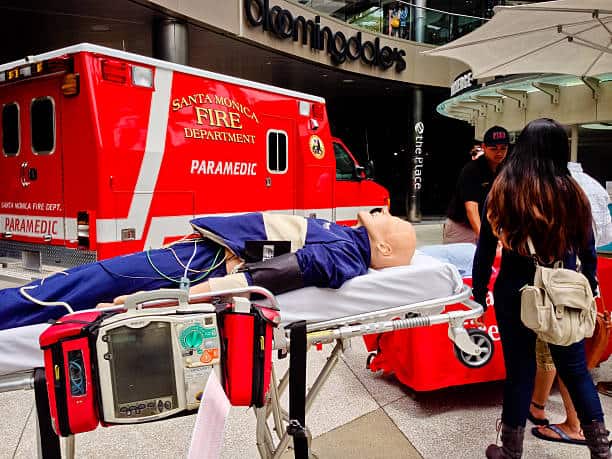
Before entering live clinical environments, students practice in simulation labs. Skills labs replicate hospital conditions using mannequins and medical equipment.
Common competencies practiced include:
- Intramuscular and subcutaneous injections
- Sterile dressing changes
- Catheter insertion
- Medication dosage calculations
- CPR and emergency response
Simulation labs allow students to build confidence in a controlled environment where mistakes become learning opportunities rather than patient safety risks.
Programs that invest in realistic simulation training often produce graduates who transition more smoothly into clinical rotations.
NCLEX-PN Preparation: The Licensing Gateway
Completing an LVN program does not automatically grant licensure. Graduates must pass the National Council Licensure Examination for Practical Nurses (NCLEX-PN).
The NCLEX-PN is administered by the National Council of State Boards of Nursing and evaluates whether a candidate is safe to practice as an entry-level nurse. The exam uses computerized adaptive testing, meaning the difficulty of questions adjusts based on performance.
The exam assesses four major client need categories:
- Safe and Effective Care Environment
- Health Promotion and Maintenance
- Psychosocial Integrity
- Physiological Integrity
Programs that prioritize NCLEX preparation integrate test-style questions throughout coursework rather than treating exam prep as an afterthought.
Effective preparation strategies often include:
- Weekly practice exams
- Comprehensive review modules
- Rationales for correct and incorrect answers
- Structured remediation for weaker subject areas
- Final readiness assessments before graduation
National first-time pass rates for practical nursing candidates fluctuate annually, typically ranging between 75 percent and 85 percent. Schools that publish transparent pass rates and offer structured review support tend to demonstrate stronger academic accountability.
Academic Expectations and Workload
An LVN program is rigorous. Students should expect:
- Full-time attendance requirements
- Frequent exams and skills validations
- Group projects and care plan assignments
- Clinical paperwork and documentation practice
Time management becomes essential. Many programs advise students to treat the training year as a full-time commitment due to the academic intensity and clinical responsibilities.
For career changers balancing work and family, understanding this commitment in advance prevents burnout and increases completion rates.
Professionalism and Soft Skills Development
Healthcare employers look beyond technical skill. LVN programs increasingly incorporate professional development components such as:
- Patient communication techniques
- Cultural competence training
- HIPAA compliance
- Documentation accuracy
- Team collaboration exercises
Students learn how to communicate with physicians, registered nurses, patients, and families in high-pressure environments. These soft skills often determine job placement success.
Career Outcomes After Graduation
Licensed Vocational Nurses work in:
- Skilled nursing facilities
- Hospitals
- Outpatient clinics
- Home healthcare agencies
- Rehabilitation centers
According to the U.S. Bureau of Labor Statistics (BLS), the median annual wage for licensed practical and vocational nurses was $59,730 in 2023, with higher averages in California due to regional demand.
Graduates may also pursue upward mobility through LVN-to-RN bridge programs, enabling career advancement into registered nursing roles.
Institutions like Career Development Institute, Inc. position students for both immediate employment and long-term professional growth through structured training and licensure preparation.
What Makes a Strong LVN Program?
When evaluating programs, consider:
- Approval by California regulatory authorities
- Transparent NCLEX pass rates
- Documented clinical hour distribution
- Experienced nursing faculty
- Structured NCLEX preparation support
- Job placement assistance
Strong programs do not simply prepare students to pass an exam. They prepare them to provide competent, compassionate patient care from day one.
Final Thoughts
An LVN program is an intensive but rewarding pathway into healthcare. Expect a structured blend of theory, skills lab practice, supervised clinical experience, and comprehensive NCLEX preparation.
If you are exploring vocational nursing education in California, understanding the curriculum depth, clinical commitment, and licensure pathway ensures you enter the program prepared, informed, and confident about your future.
Becoming a Licensed Vocational Nurse requires dedication, discipline, and hands-on training. The right program transforms that effort into a stable, meaningful career in patient care.
Frequently Asked Questions About LVN Programs
How long does it take to become an LVN in California?
A full-time LVN program in California typically takes 12 to 14 months to complete, followed by the time required to schedule and pass the NCLEX-PN exam.
What is the difference between an LVN and an LPN?
There is no difference in the job duties or educational requirements. In California and Texas, the title is Licensed Vocational Nurse (LVN); elsewhere, it is Licensed Practical Nurse (LPN).
Are clinical hours required for LVN programs?
Yes. In California, students are required to complete supervised clinical training (often totaling over 1,500 combined program hours) across specialties such as medical-surgical, maternal, and geriatric nursing.