Before committing to vocational nursing training, it is worth understanding exactly what you will be licensed to do. The California LVN scope of practice is defined by state law and governed by the Board of Vocational Nursing and Psychiatric Technicians (BVNPT). It determines which clinical procedures you can perform, which tasks require supervision, and which responsibilities belong to RNs and physicians.
This matters for two reasons. It tells prospective students what the daily job actually looks like. And it helps people comparing LVN, CNA, RN, and other healthcare roles understand where each one fits within the care team.
Here is a clear breakdown of what California LVNs are authorized to do, what falls outside their scope, and how the rules apply in practice.
1. The Regulatory Framework: Who Governs LVN Practice in California?
The California Board of Vocational Nursing and Psychiatric Technicians (BVNPT) is the state regulatory authority for LVNs. The BVNPT issues licenses, sets scope of practice rules, and enforces the Vocational Nursing Practice Act and California Code of Regulations, Title 16.
In California, the credential is Licensed Vocational Nurse (LVN). In most other states, the equivalent credential is called Licensed Practical Nurse (LPN). The NCLEX-PN is the national licensing exam both LVNs and LPNs must pass, but each state sets its own scope of practice rules.
2. What LVNs in California Are Authorized to Do
LVNs in California provide direct patient care under the supervision of a registered nurse (RN), physician, or other authorized provider. The Vocational Nursing Practice Act establishes what is within scope.
Assessment and Monitoring
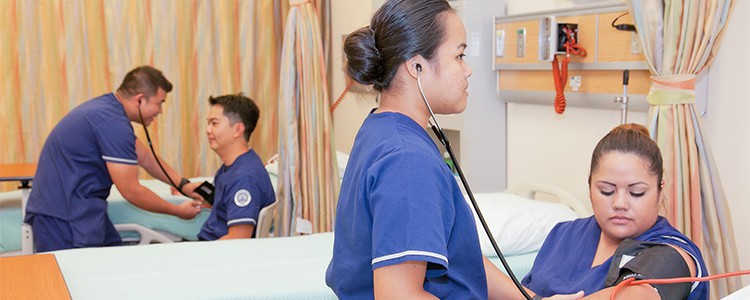
LVNs can measure and record vital signs, including temperature, pulse, respiration, blood pressure, and oxygen saturation. They can collect patient health history, observe and report changes in patient condition, and document clinical findings in the patient record.
Note: LVNs in California are not permitted to conduct comprehensive health assessments. Comprehensive assessment, including physical examination, identifying nursing diagnoses, and developing care plans, falls within the RN scope of practice.
Medication Administration
LVNs in California can administer medications through oral, topical, subcutaneous, and intramuscular routes. Intravenous (IV) medication administration requires an additional BVNPT-specific certification. Once that certification is obtained, LVNs can administer IV fluids and medications. Without the IV certification, IV administration is outside the standard LVN scope.
Wound Care
LVNs can perform wound care procedures including dressing changes, wound irrigation, application of topical treatments as directed, and monitoring wounds for signs of infection or delayed healing. They document wound status as part of the patient record.
Specimen Collection and Blood Draws
Blood draws (venipuncture) require a separate BVNPT certification for LVNs. With that certification in place, LVNs can collect blood specimens for laboratory testing. Routine specimen collection such as urine samples and stool samples is within the standard LVN scope without additional certification.
Direct Patient Care Tasks
Within the LVN scope: ambulation assistance, patient positioning, range of motion exercises, personal hygiene assistance, maintenance care for existing catheters, feeding assistance, patient and family health education (under the direction of the supervising provider), and documentation throughout the shift.
Regarding catheter insertion: straight catheter insertion is within the LVN scope in California with proper training. Foley (indwelling) catheter insertion varies by facility policy.
3. What LVNs in California Cannot Do
Comprehensive Health Assessment
Comprehensive patient assessment belongs to the RN. LVNs monitor, observe, and report. They do not conduct the initial comprehensive assessment that produces nursing diagnoses and care plans. California has specific regulatory attention to situations where LVNs have been asked to perform assessments in settings that should have RN oversight.
Diagnose or Prescribe
Only physicians, nurse practitioners, physician assistants, and other specifically authorized providers can diagnose medical conditions or prescribe treatments. LVNs implement prescribed care. They do not make clinical diagnoses or write orders.
Create Independent Care Plans
Nursing care plans are developed by RNs in collaboration with the healthcare team. LVNs contribute information and carry out care plan tasks, but they do not author independent nursing care plans.
Triage
Formal patient triage, including assessing incoming patients, assigning acuity, and determining care priority, is an RN or physician function. LVNs report to supervising nurses who make triage decisions.
4. Supervision Requirements
California law requires LVN practice to be conducted under the supervision of a registered nurse, physician, dentist, podiatrist, or other authorized provider. The nature of supervision varies by setting. In a hospital, an RN may be immediately present. In a home health setting, supervision may be structured differently but must still be documented and in place.
LVNs who practice independently or perform tasks outside their defined scope risk license discipline from the BVNPT, including suspension or revocation.
5. How the LVN Scope Compares to CNA and RN
| Role | Key Clinical Duties | Supervision | Licensing |
|---|---|---|---|
| CNA | Vitals, ADLs, feeding, mobility | LVN or RN | State CNA certificate |
| LVN | Medications, wound care, specimen collection, catheter care | RN or physician | BVNPT license (NCLEX-PN) |
| RN | Comprehensive assessment, care plans, supervision, complex procedures | Independent (within scope) | BRN license (NCLEX-RN) |
The LVN-to-RN bridge pathway exists in California specifically to allow LVNs to expand their scope and credentials through formal bridge programs, typically with accelerated timelines that account for existing LVN clinical experience.
6. What This Means for LVN Training in California
Understanding the scope of practice before you enroll helps you know exactly what you are training for. You will learn to assess and record vital signs, administer medications under supervision, manage wound care, perform catheter maintenance, collect specimens, and provide direct patient care across a range of healthcare settings.
California LVN programs approved by the BVNPT must prepare students for all of these authorized procedures. The 1,500+ combined clinical hours required under California regulations are specifically designed to build genuine competency in these tasks before graduation.
CDI School of Nursing in Los Angeles structures its curriculum around the full LVN scope of practice, with 1,500+ supervised clinical hours across medical-surgical, maternal, and geriatric specialties. NCLEX-PN preparation is embedded throughout the program, not added at the end. CDI has trained vocational nurses in Los Angeles for over 20 years.
Frequently Asked Questions
Can an LVN start an IV line in California?
LVNs in California can administer intravenous fluids and medications after obtaining IV certification from the BVNPT. Without that additional certification, IV administration is outside the standard LVN scope. Many employers assist new LVN graduates in obtaining this certification after hire.
Can an LVN work independently without RN supervision in California?
No. California law requires LVNs to practice under the supervision of a registered nurse, physician, or other authorized provider. The level of direct oversight varies by setting, but supervision must be in place and documented. LVNs who practice outside this requirement risk BVNPT license action.
What is the difference between an LVN’s scope and an RN’s scope in California?
RNs in California can conduct comprehensive health assessments, develop nursing care plans, independently supervise care teams, and take on charge and management roles. LVNs assist with direct patient care tasks under RN or physician oversight and cannot conduct comprehensive assessments or develop independent care plans. LVNs can administer a wide range of medications (including IV with additional certification), manage wound care, and perform other clinical procedures within their defined scope.
Is a California LVN allowed to perform blood draws?
Blood draws (venipuncture) require a separate BVNPT certification for LVNs in California. Once that certification is obtained, LVNs can collect blood specimens for laboratory testing.
How is the LVN scope of practice in California different from other states?
Each state sets its own scope of practice rules for LVNs (called LPNs in most other states). California’s scope includes provisions specific to the state’s regulatory framework, including the restriction on LVNs conducting comprehensive assessments. If you hold a California LVN license and move to another state, check that state’s scope rules before practicing.
Does completing a BVNPT-approved LVN program prepare you for the full scope?
Yes. California’s requirements for BVNPT-approved programs mandate that students receive clinical training across the specialties relevant to the LVN scope, with a minimum of 1,500 combined program hours. This training is designed specifically to prepare graduates for the NCLEX-PN and for practice within the authorized scope of the California LVN license.
The California LVN scope of practice gives you a licensed clinical role with real hands-on responsibilities and defined authority to provide care. Understanding the scope before you enroll means you start the program knowing what you are working toward and what your career will look like once you are licensed.
CDI School of Nursing has been training vocational nurses in Los Angeles for over 20 years. Our BVNPT-approved VN program prepares graduates for the full LVN scope of practice, with 1,500+ clinical hours and integrated NCLEX-PN preparation. Contact us to learn more about enrollment.